The latest May issue of "Food Industry" (Przemysł Spożywczy) features an article by Aleksandra Diskau, Esq., a partner at the AJ LAW Uchańska Diskau law firm, titled "Chemical Safety of Food – Legal and Analytical Aspects of Pesticide Control in the Era of Cumulative Risk Assessment," dedicated to current challenges related to the control of plant protection product residues in food and dietary supplements.
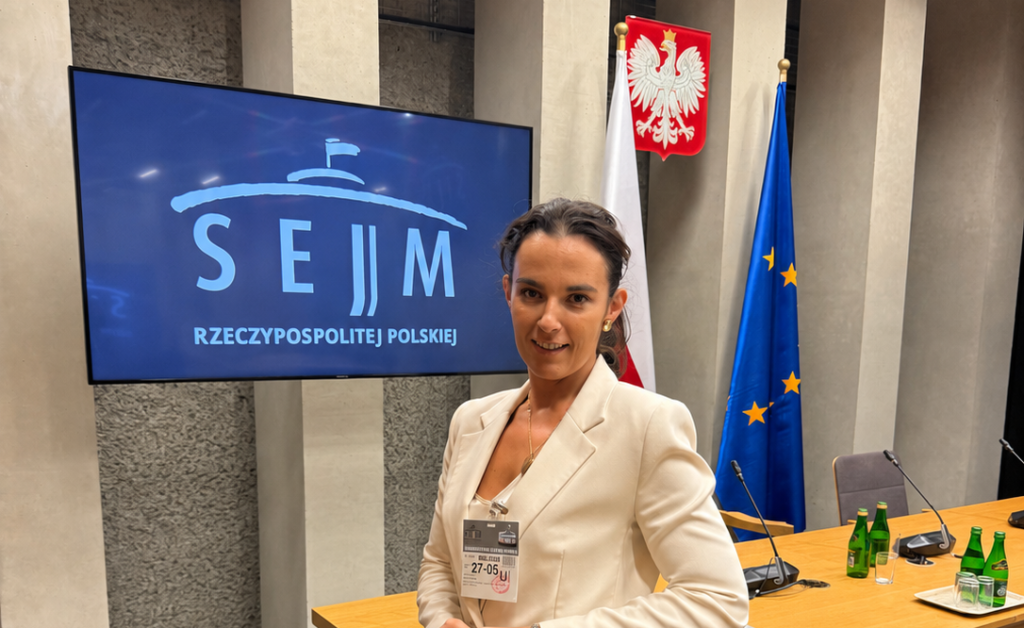
On May 27, 2026, a meeting of the Parliamentary Committee for Pro-Health Food and Nutrition took place in the Sejm of the Republic of Poland – an important forum dedicated to the future of the dietary supplement market, food safety, and directions for the development of innovation in the health & wellness industry.
The relationship between freedom of artistic expression and the restrictive provisions of pharmaceutical law has become the subject of an unprecedented ruling by supervisory authorities. In a decision dated April 2, 2026 (reference number: POWII.600.8.2026.JD.6), the Chief Pharmaceutical Inspector (GIF) assessed the work of one of the most popular Polish musical artists, concluding that the content contained therein goes beyond the framework of artistic expression and constitutes prohibited advertising of medicinal products.
For businesses operating in the trade and distribution sector, payment backlogs represent one of the key operational risks. The President of the Office of Competition and Consumer Protection (UOKiK) is systematically tightening supervision over the timeliness of B2B settlements. Ignoring warning signals from the authority may result in the initiation of formal administrative proceedings, which typically conclude with the imposition of substantial mandatory financial penalties.
In April 2026, a draft amendment to the Food Safety and Nutrition Act was published. The draft is currently undergoing the legislative process and may significantly impact businesses operating in the food sector, particularly manufacturers and distributors of food supplements.
The next edition of PCI Days 2026, one of the key events for the cosmetics and food supplement industries in Poland, is coming soon. The event serves as a platform where innovation meets business practice, bringing together experts from around the world to share knowledge, experience, and the latest market trends.
The legislative clock for the packaging and food industries is ticking ever faster. What only a few years ago was considered the domain of laboratory analyses is now becoming the foundation of business and operational security. The new PPWR regulations require the adoption of a strategy without which it is difficult to imagine the stable placement of products on the unified EU market.
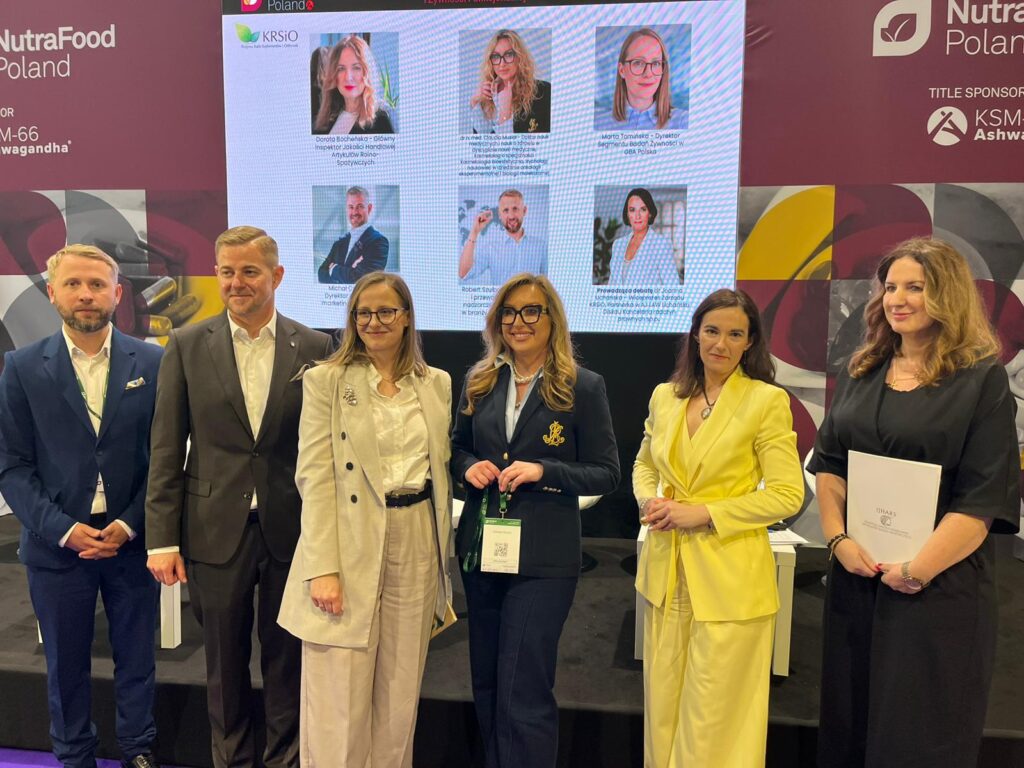
The NutraFood Poland 2026 International Trade Fair for Dietary Supplements and Functional Food has come to a close, leaving us with many valuable insights and inspiring discussions. AJ LAW Uchańska Diskau was proudly represented at the event by Dr. Joanna Uchańska.
We are pleased to announce that the latest issue of Pharmaceutical Industry World (1/2026) features an article authored by our experts, Dr. Joanna Uchańska, Attorney-at-Law, and Edyta Oleszczuk-Romańska, Attorney-at-Law, entitled “AI in Life Science Marketing – Innovations and Risks: How to Combine Them.”
Easter is a time of renewal, hope, and fresh energy for action. It is a moment that encourages us to pause, gain perspective, and look to the future with optimism and faith in positive change.